Safety Features to Include in Concrete Walks and Steps
People seeking concrete walks and steps installation often want safety features to prevent slips and falls, and local contractors can expertly incorporate these features into their work.
If you’re considering improvements to your property’s outdoor spaces, understanding the safety features to include in concrete walks and steps is essential. Well-designed safety features can help prevent slips, trips, and falls, making your walkways safer for everyone. For property owners in the area, especially those with children, elderly family members, or high foot traffic, incorporating these safety elements can provide peace of mind and enhance overall accessibility. Local contractors who specialize in concrete installation can offer practical solutions tailored to your property’s specific needs, ensuring that safety is built into every step of the process.
Exploring safety features in concrete walks and steps is a smart move for maintaining a secure and functional outdoor environment. Whether you’re planning a new installation or upgrading existing walkways, understanding options like textured finishes, proper lighting, and appropriate slope design can make a significant difference. Connecting with experienced local service providers can help you identify the most effective safety features for your space, ensuring that your outdoor pathways are not only durable but also safe for everyday use. Keep reading to learn more about how these features can improve your property’s safety and how local experts can assist with your project.
- Concrete walks and steps installation services are essential when designing surfaces that require slip-resistant features to prevent accidents. Local contractors can incorporate textured finishes or slip-resistant coatings to enhance safety in high-traffic or outdoor areas. When building steps that need to meet accessibility standards, service providers can add features like contrasting color strips and proper tread depth. For homes or businesses seeking to improve nighttime visibility, local pros can install lighting features integrated into concrete steps and walkways. These safety considerations are often addressed during installation by experienced service providers to ensure durable and secure surfaces.

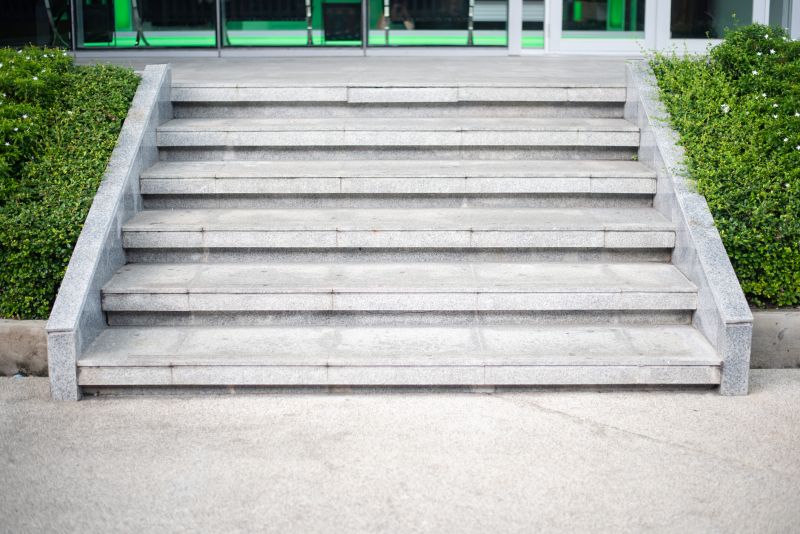
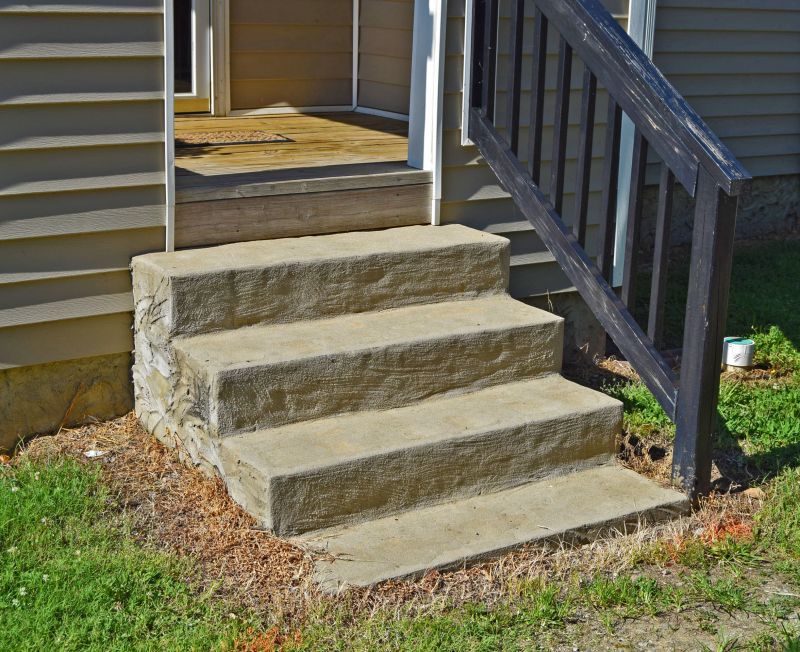
When searching for information about safety features to include in concrete walks and steps, homeowners are often looking for ways to prevent accidents and ensure accessibility around their property. This topic typically arises during planning or renovation projects, especially when designing outdoor walkways, porches, or steps that will be used regularly by family members, visitors, or residents with mobility challenges. Common concerns include slip resistance, proper lighting, and edge protection, all of which contribute to making outdoor surfaces safer to navigate. Property owners may also be considering how to meet local building codes or best practices to minimize liability and create an inviting, secure environment.
The discussion of safety features in concrete walks and steps often relates to addressing specific problems such as uneven surfaces, slippery conditions, and poor visibility in low-light settings. For example, a homeowner might notice that their existing concrete surfaces become slick when wet or that their steps lack proper handrails, increasing the risk of falls. Planning for these safety features involves understanding the types of issues that can occur over time and choosing solutions that enhance stability and ease of use. Local contractors who specialize in concrete installation can evaluate existing conditions and recommend safety enhancements tailored to the property’s unique layout and usage, helping to prevent accidents before they happen.
Properties that typically come up in conversations about safety features in concrete walks and steps include residential homes, especially those with elderly residents or children, as well as multi-family complexes, commercial buildings, and public spaces. These properties often have high foot traffic and require durable, slip-resistant surfaces to ensure safety for everyone. Homeowners may also consider safety upgrades when replacing or repairing aging concrete to improve accessibility and reduce hazards. Local service providers can assist with installing features like textured finishes, integrated lighting, or sturdy handrails that meet the specific needs of each property type, ensuring safety is built into the design from the start.
Incorporating safety features into concrete walks and steps is a practical step toward creating secure outdoor environments. Local contractors experienced in concrete installation can help identify the most suitable safety enhancements based on the property’s layout, usage, and potential hazards. They can recommend solutions such as textured finishes for slip resistance, adequate lighting for visibility, and handrails or edge protection for added stability. By working with these professionals, homeowners can ensure that safety features are properly integrated into their concrete projects, helping to reduce the risk of accidents and making outdoor spaces safer and more accessible for everyone.
Patio and walkway renovation projects - these projects often involve planning for safety features in concrete walks and steps, requiring similar site preparation and finishing skills that local contractors can provide.
Driveway installation services - driveway projects demand attention to safety features like textured surfaces and proper grading, which are also important considerations in concrete walk and step installations.
Staircase construction projects - building concrete stairs involves precise planning for safety features such as handrails and slip-resistant surfaces, skills common among local service providers.
Landscape design and hardscaping - integrating safety features into outdoor concrete features like steps and walkways is a key aspect of comprehensive hardscaping projects handled by local contractors.
Accessibility ramp installation services - these projects focus on safety features like gentle slopes and textured surfaces, paralleling safety considerations for concrete walks and steps.
Retaining wall construction projects - while primarily structural, these projects often include safety planning for adjacent walkways and stairs, requiring similar expertise in concrete safety features.

When comparing service providers for installing concrete walks and steps with safety features, it’s important to evaluate their experience with similar projects. Homeowners should inquire about the contractors’ past work involving safety-enhanced concrete surfaces, such as those incorporating slip-resistant finishes or accessible design elements. A contractor’s familiarity with these specific safety features can indicate their ability to handle the unique challenges of integrating safety considerations into concrete installation effectively. Reviewing examples of completed projects or requesting references can provide insight into their expertise and success in delivering safe, durable results that meet the needs of the property.
Clear written expectations are essential when choosing a contractor for installing concrete walks and steps with safety features. Homeowners should seek detailed proposals that outline the scope of work, specific safety features to be included, and the materials to be used. Transparent communication about the process helps ensure that both parties understand the safety requirements and the quality standards expected. Having a comprehensive, written plan also minimizes misunderstandings and provides a reference point throughout the project, helping to keep the work aligned with safety goals and homeowner preferences.
Reputable references and good communication are critical factors in selecting a service provider for concrete walks and steps installation. Homeowners should ask for recommendations from previous clients or verify the contractor’s reputation through local directories or review platforms. Effective communication throughout the project can facilitate discussions about safety concerns, customization options, and any adjustments needed along the way. Choosing a contractor known for responsiveness and clarity can help ensure that safety features are incorporated correctly and that the project proceeds smoothly, ultimately resulting in a finished product that prioritizes safety and meets the homeowner’s expectations.
Property owners often search for safety features to include in concrete walks and steps when they are planning practical projects around their homes and businesses. Local pros provide Concrete Walks and Steps Installation services for everyday jobs and straightforward project options.
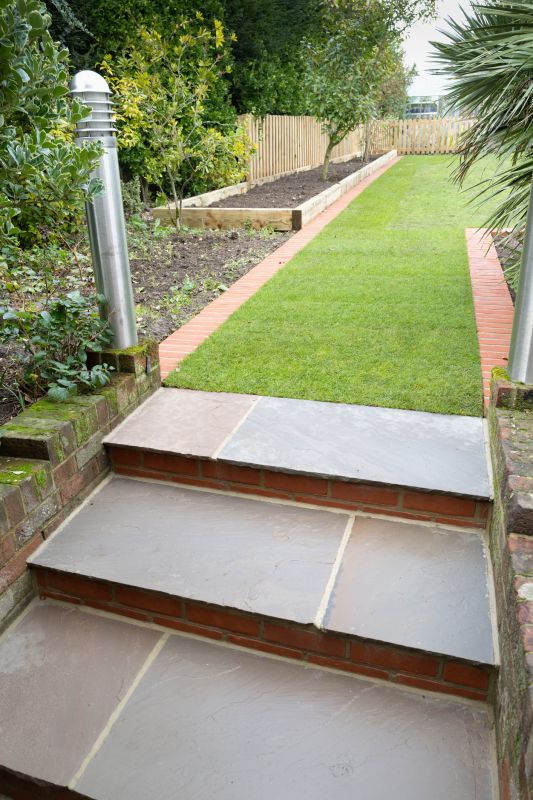

Many property owners seek to enhance safety when installing concrete walks and steps around their homes or businesses. Features like textured surfaces or slip-resistant finishes can significantly reduce the risk of falls, especially in areas prone to moisture or ice. Additionally, incorporating proper lighting or reflective elements into the design can improve visibility during nighttime hours. Local contractors experienced in concrete installation can advise on the best safety features to include, ensuring that walks and steps are both functional and secure for everyday use.
Choosing the right safety features is especially important in areas with high foot traffic or where children and elderly residents are present. Service providers in the area can help incorporate features such as rounded or beveled edges to prevent injuries from sharp corners, as well as proper slope and drainage to avoid pooling and slippery conditions. By working with local experts, property owners can ensure that their concrete walks and steps meet safety needs while complementing the overall aesthetics of their property.
What safety features should be included in concrete walks and steps? Features such as slip-resistant surfaces, proper lighting, and textured finishes help prevent slips and falls on concrete walks and steps. Local contractors can incorporate these safety elements during installation to enhance durability and safety.
How can I make concrete steps safer for everyday use? Adding textured or broom finishes, installing handrails, and ensuring proper lighting are key safety features. Local service providers can recommend and install these features to improve safety and accessibility.
Are there specific safety considerations for concrete walk surfaces? Yes, slip-resistant coatings or finishes, adequate drainage, and even surface textures help reduce the risk of accidents. Professional contractors can incorporate these safety features into your concrete walk installation.
What role do lighting and visibility play in concrete step safety? Proper lighting enhances visibility, especially at night, reducing trip hazards. Local pros can install lighting fixtures or suggest safety enhancements to improve overall safety during use.
Can safety features be integrated into existing concrete walks and steps? Yes, features like slip-resistant coatings, added handrails, or improved lighting can be retrofitted by experienced contractors to increase safety without complete reconstruction.
Non-slip finishes - Applying textured or non-slip coatings can help prevent slips and falls on concrete walks and steps, especially in wet conditions, with the help of local contractors.
Proper lighting considerations - Installing adequate lighting along walkways and steps enhances visibility at night, making safety features more effective and accessible through local installation services.
Edge and step markings - Adding contrasting colors or tactile markings to edges and steps can improve visibility for all users, and local pros can incorporate these safety features during installation.
Handrail installation - Including sturdy handrails on steps provides support and stability, with local service providers capable of integrating these safety features into concrete projects.
If you are thinking about safety features to include in concrete walks and steps for a property, this guide is meant to help you understand this topic, the typical project types, and how different options might fit your plans.
When you are ready, you can use the quote form on this page to share a few details about your project. From there, local pros can review the basics and follow up with options that match what you have in mind.